Flower Forest: A Floral Font for Nature-Inspired Design
Understanding the Botanical Character of Flower Forest
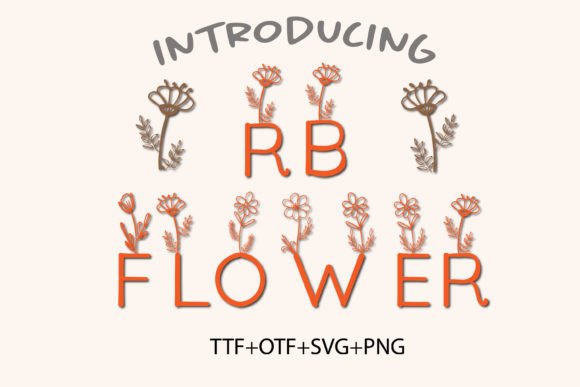
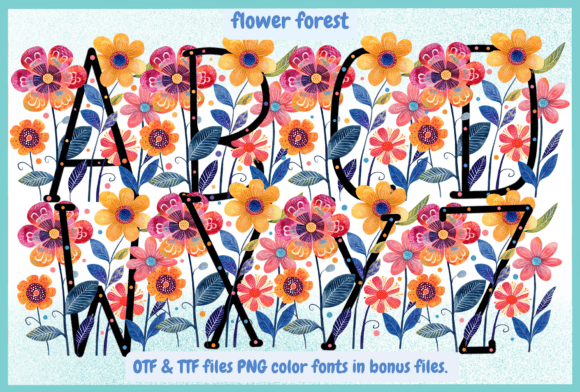
When you first encounter Flower Forest, it’s immediately clear this isn’t just another decorative typeface. It’s a carefully crafted premium font that merges illustration with typography in a way that feels organic and intentional. Each letterform is built from hand-painted flowers, leaves, and vines, creating a cohesive botanical alphabet. The visual personality is joyful, whimsical, and distinctly natural—think of a sun-drenched garden translated into letterforms.
Unlike many display fonts that rely on a single decorative motif, Flower Forest maintains variety across its characters. The floral elements are integrated with attention to balance, so no two letters feel repetitive. This isn’t a font where every “A” is identical; subtle variations in petal arrangement and leaf placement give it an artisan quality. The color palette in its display versions is vibrant yet harmonious, avoiding the garish look that can plague some novelty typefaces.
From a modern typography perspective, Flower Forest occupies a specific niche. It’s not a serif font or sans serif font meant for body text, nor is it a script font or handwritten font in the traditional sense. Instead, it functions as a decorative display font with a strong illustrative character. This makes it ideal for projects where typography needs to make an immediate visual statement without sacrificing clarity at larger scales.
Where Flower Forest Finds Its Natural Habitat
Considering its aesthetic, Flower Forest shines in applications where a nature-inspired, joyful aesthetic is desired. For brand identity, it’s particularly effective for businesses in the floral, botanical, artisanal, or eco-friendly space. Imagine a boutique florist’s logo design, a sustainable skincare brand’s packaging, or a children’s botanical garden’s signage. The font instantly communicates a connection to nature, craftsmanship, and whimsy.
In packaging design, Flower Forest can elevate products that want to stand out on shelves with a handmade, organic feel. Think of artisanal tea boxes, seed packet labels, or specialty honey jars. The floral details add perceived value and storytelling without requiring additional illustration. For editorial design, it works beautifully for chapter headings in nature-themed books, magazine features on gardening, or invitations for spring events.
Digital applications also benefit from this creative font. Social media graphics for lifestyle brands, blog headers for wellness or gardening sites, and web design elements for eco-tourism platforms can all leverage its charm. However, practical considerations matter. Because of its intricate details, Flower Forest is best used at larger sizes where the floral elements remain legible. In responsive web design, this means careful implementation in headlines or hero text, not in navigation menus or small buttons.
Practical Guidance for Using Flower Forest Effectively
Choosing the right context for Flower Forest is crucial. It’s a display font with a strong personality, so pairing it wisely is key to maintaining visual hierarchy and readability. A common approach is to combine it with a clean, neutral serif font or sans serif font for body text. For example, pairing Flower Forest with a simple sans serif like Montserrat or a classic serif like Garamond creates contrast that lets the floral headers shine without overwhelming the reader.
Before finalizing a design, test Flower Forest in your specific application. Check how it renders at different sizes—what looks stunning in a large logo might lose detail when scaled down for a business card. Examine the spacing between letters; sometimes, adjusting tracking can improve legibility. Also, review the full character set. Quality design assets like this often include alternate characters, ligatures, or multilingual support that can add versatility to your project.
Licensing is another practical consideration. As a commercial font, Flower Forest typically requires a license for commercial use. Ensure you understand the terms—whether it’s for a single project, multiple projects, or includes webfont usage. Respecting licensing not only keeps you legally compliant but also supports the designers who create these valuable tools.
Ultimately, Flower Forest is more than just a font; it’s a design element that brings a specific mood and aesthetic to a project. Its strength lies in its ability to convey joy, nature, and artistry instantly. Used thoughtfully, it can become a memorable part of a brand identity, a standout feature in packaging design, or a charming addition to personal creative projects. The key is to let it serve the design’s purpose, not dominate it. When its botanical beauty aligns with the project’s message, the result is cohesive, engaging, and genuinely delightful.